The Development Spread: Where Ground-Up Returns Actually Come From
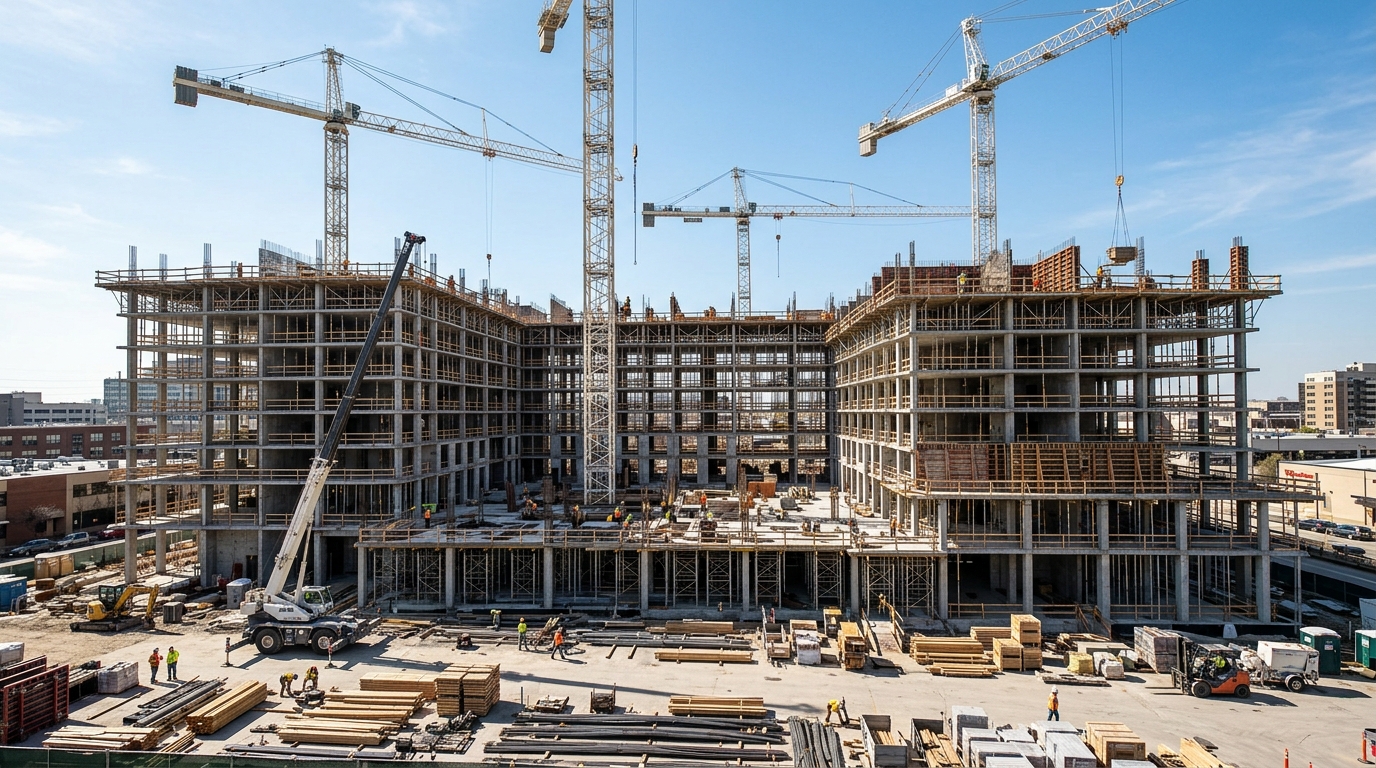
Most real estate investors are familiar with buying existing, income-producing property. Ground-up development works differently. Instead of paying market price for a finished asset, a developer assembles land, entitlements, and construction into a completed building — and the difference between total cost to build and the value of the finished project is what we call the development spread.
Cost to build versus value created
Consider a simplified example. If land, hard construction costs, soft costs, and financing add up to a total basis meaningfully below the stabilized value of the completed property, that gap is the margin that rewards development risk. It is compensation for the time, complexity, and execution required to turn a vacant parcel into occupied housing.
This is why development can generate returns that acquiring stabilized assets often cannot. You are not simply riding market appreciation — you are manufacturing value by creating a new, in-demand asset where none existed.
Why the current cycle favors builders with discipline
Elevated financing costs have slowed new starts across Houston and Atlanta. For disciplined developers, that slowdown can widen the spread: less competition for land and trades, combined with a thinner future supply pipeline, can improve both entry basis and exit conditions. The key word is disciplined — development rewards accurate budgeting, realistic timelines, and conservative underwriting.
Risk is real and must be managed
Development carries construction risk, timeline risk, and lease-up risk that stabilized acquisitions do not. Cost overruns, permitting delays, and softer-than-expected demand can all compress the spread. Managing those risks — through fixed-price contracts where possible, contingency reserves, and phased delivery — is where experienced sponsors earn their role. Development returns are potential, not promised.
506(c) Compliance Notice: This offering is available exclusively to verified accredited investors as defined by Rule 501 of Regulation D. All investors must complete third-party accreditation verification prior to accessing offering documents or making any investment.
Interested in Partnering With Us?
Our offering is open to verified accredited investors. Start a confidential conversation or download our full market report.
More Insights

Why Houston and Atlanta Anchor Our 2025-2026 Development Thesis
Two of the fastest-growing metros in the country continue to add residents faster than builders can deliver homes. Here is how we read the setup heading into the next cycle.
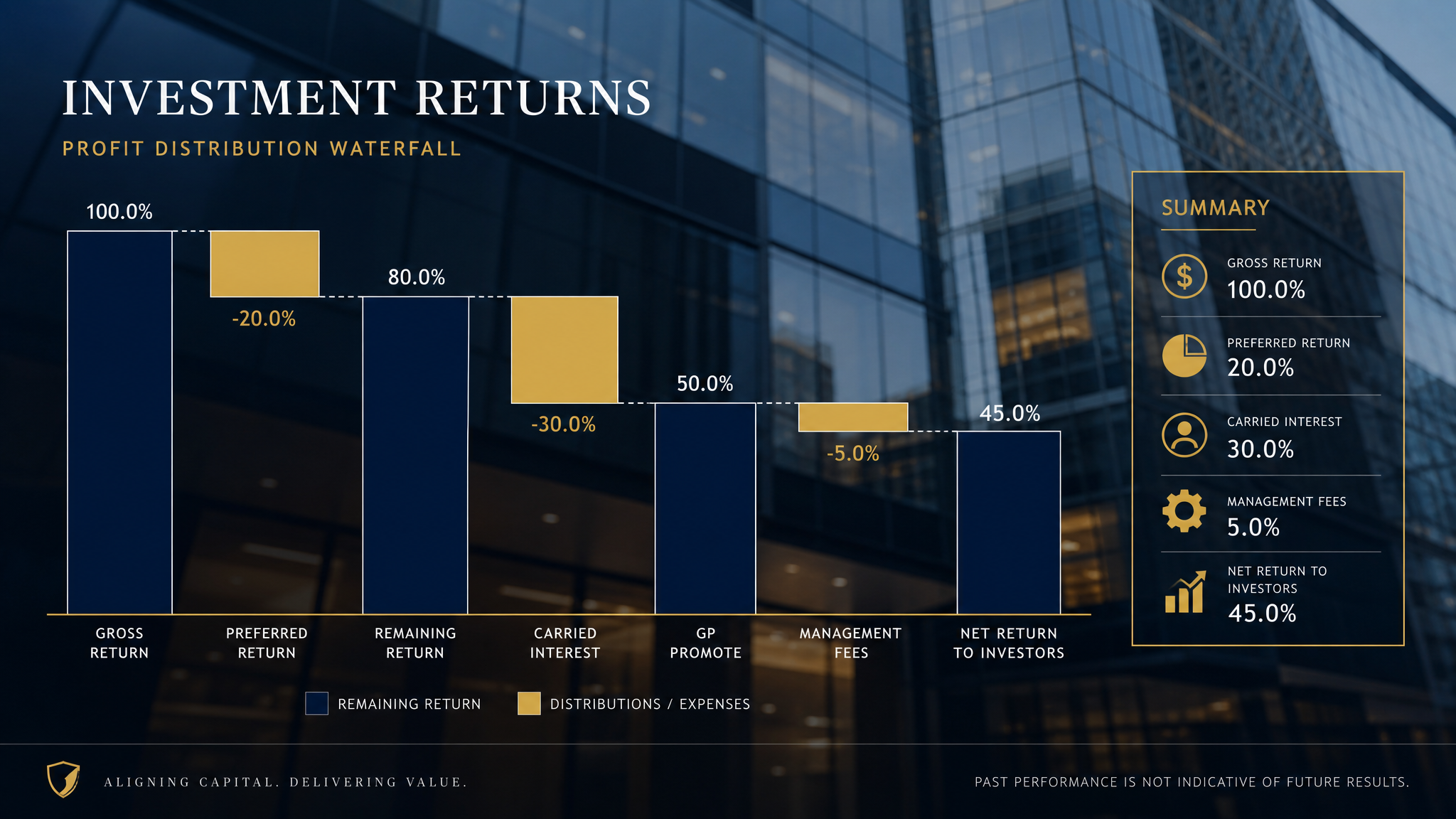
How the Waterfall Works: Preferred Returns and the 60/40 Split
Distribution waterfalls can feel opaque. Here is a plain-language walk through preferred returns, profit splits, and how limited partners get paid first.
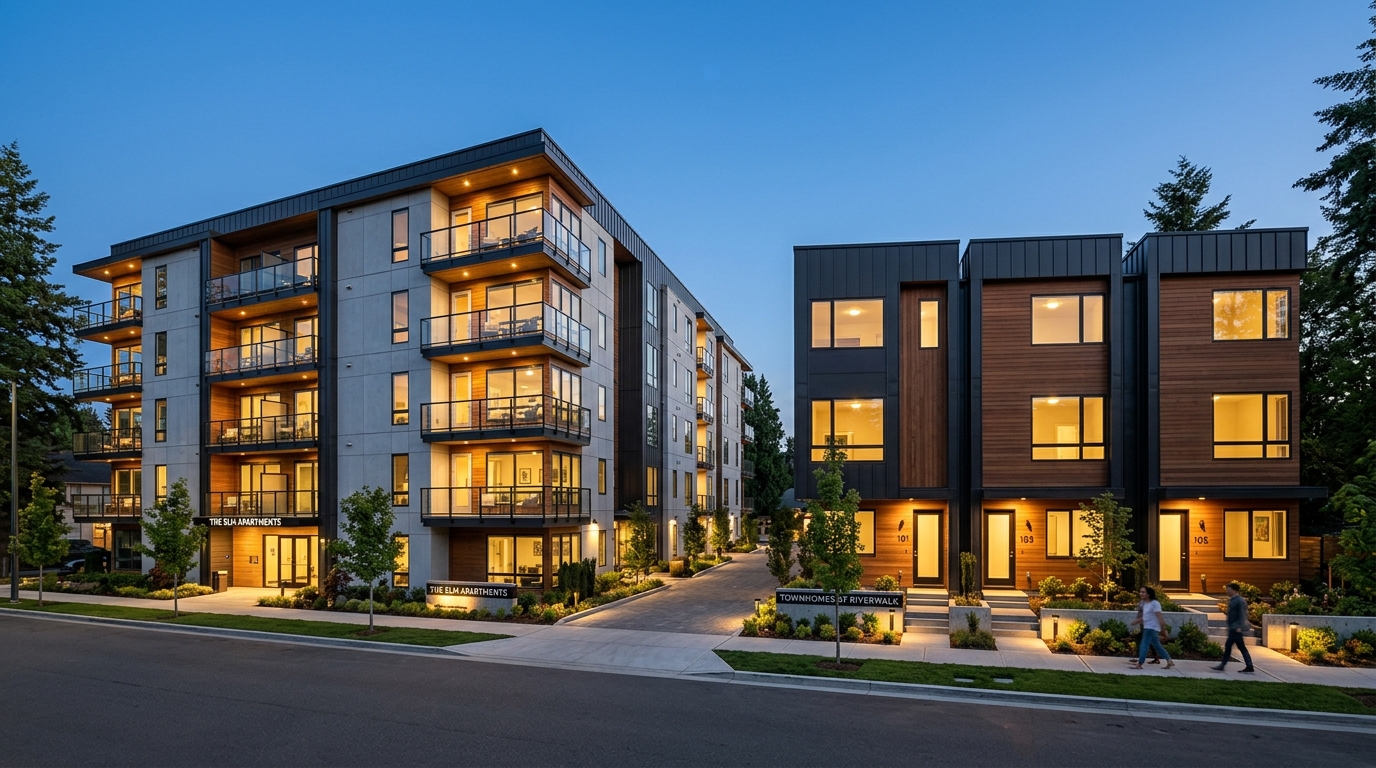
Multifamily or Single-Family Clusters? Why We Build Both
Our strategy spans small multifamily and single-family cluster developments. Each serves a distinct role in the portfolio — here is how we think about the mix.