How the Waterfall Works: Preferred Returns and the 60/40 Split
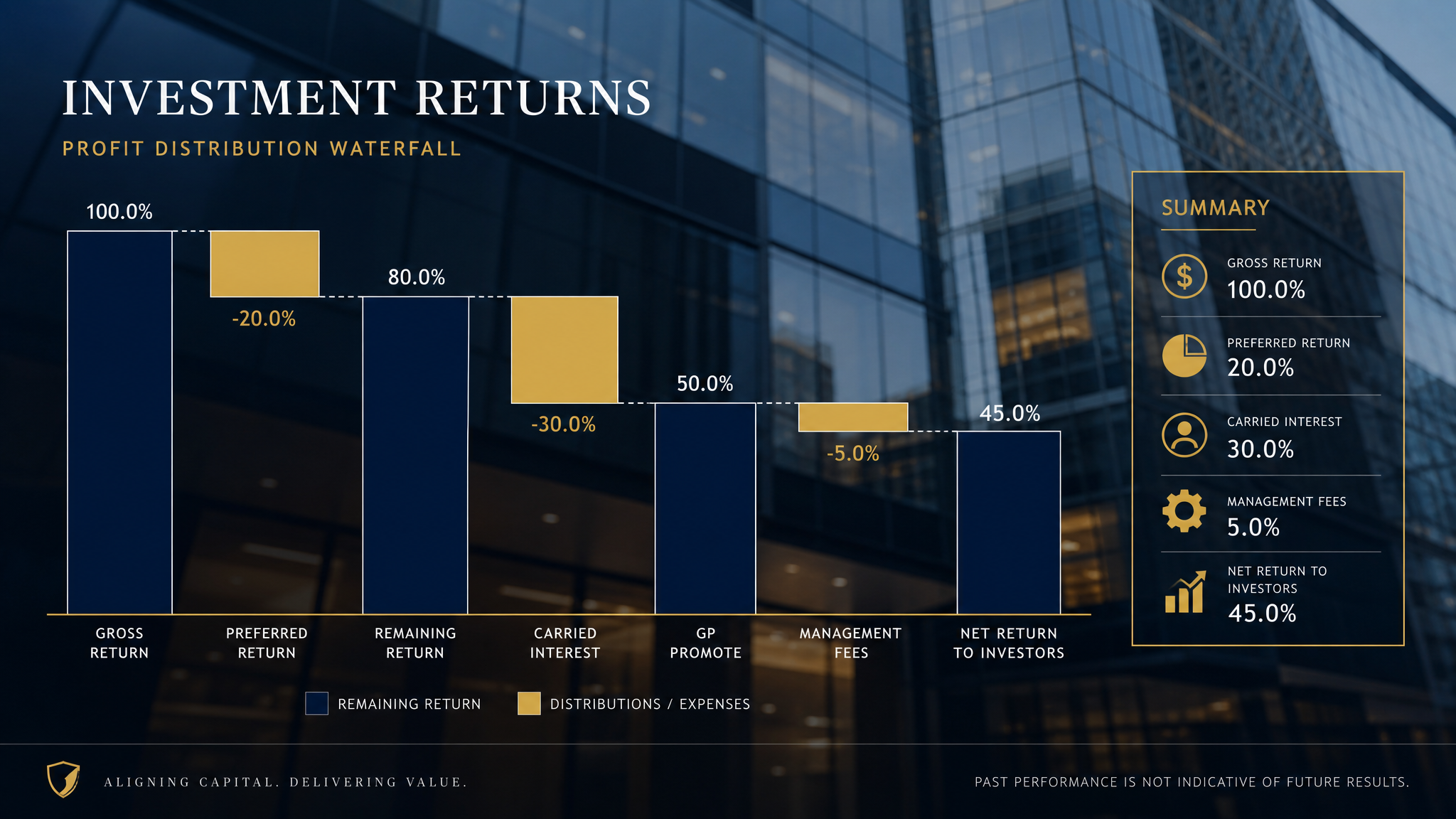
When you invest as a limited partner in a real estate fund, the order in which cash gets distributed matters as much as the total return. That order is defined by the distribution waterfall. Understanding it helps you see exactly where you stand relative to the sponsor.
The preferred return comes first
In our structure, limited partners are entitled to an 8% preferred return before the general partner participates in profits. “Preferred” means first in line: available cash flow goes toward paying LPs that 8% annual return on their invested capital before any profit split occurs. It is designed to align incentives — the sponsor only shares in the upside after investors have received their preferred return.
Then the profit split
Once the preferred return is satisfied, remaining profits are shared on a 60/40 basis — 60% to limited partners and 40% to the general partner. This split rewards the sponsor for sourcing, building, and managing the projects while keeping the majority of upside with the investors who provided the capital.
A four-tier structure
Put together, the waterfall generally flows through tiers: first, return of contributed capital; second, the 8% preferred return; third, a catch-up region; and finally the 60/40 profit split on remaining distributions. Each tier must be filled before cash moves to the next.
The specific terms of any offering are governed by its operating and subscription documents, which control in all cases. This overview is educational and simplified — always review the actual offering documents and consult your own advisors before investing.
506(c) Compliance Notice: This offering is available exclusively to verified accredited investors as defined by Rule 501 of Regulation D. All investors must complete third-party accreditation verification prior to accessing offering documents or making any investment.
Interested in Partnering With Us?
Our offering is open to verified accredited investors. Start a confidential conversation or download our full market report.
More Insights

Why Houston and Atlanta Anchor Our 2025-2026 Development Thesis
Two of the fastest-growing metros in the country continue to add residents faster than builders can deliver homes. Here is how we read the setup heading into the next cycle.
The Development Spread: Where Ground-Up Returns Actually Come From
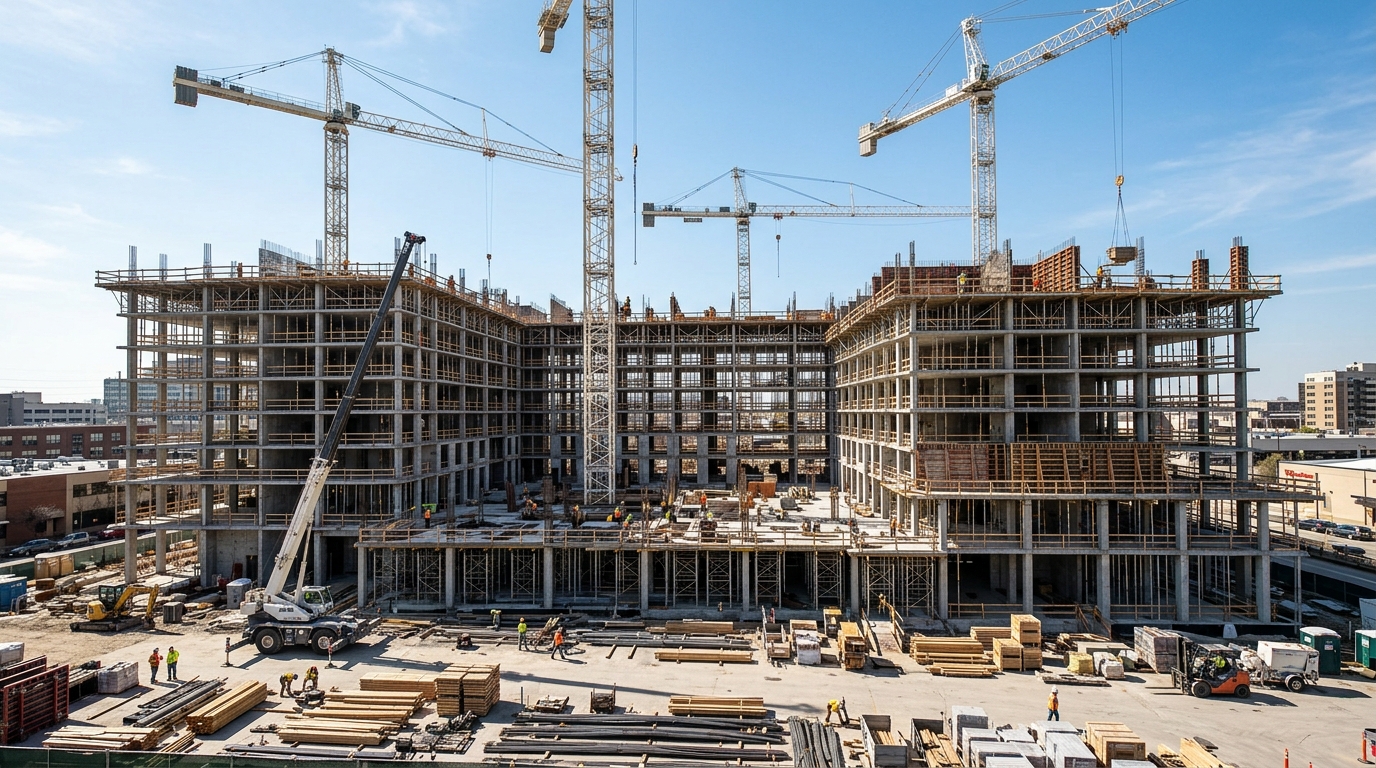
Buying finished buildings and building them from the ground up are fundamentally different return profiles. We break down the development spread and why it matters.
Multifamily or Single-Family Clusters? Why We Build Both
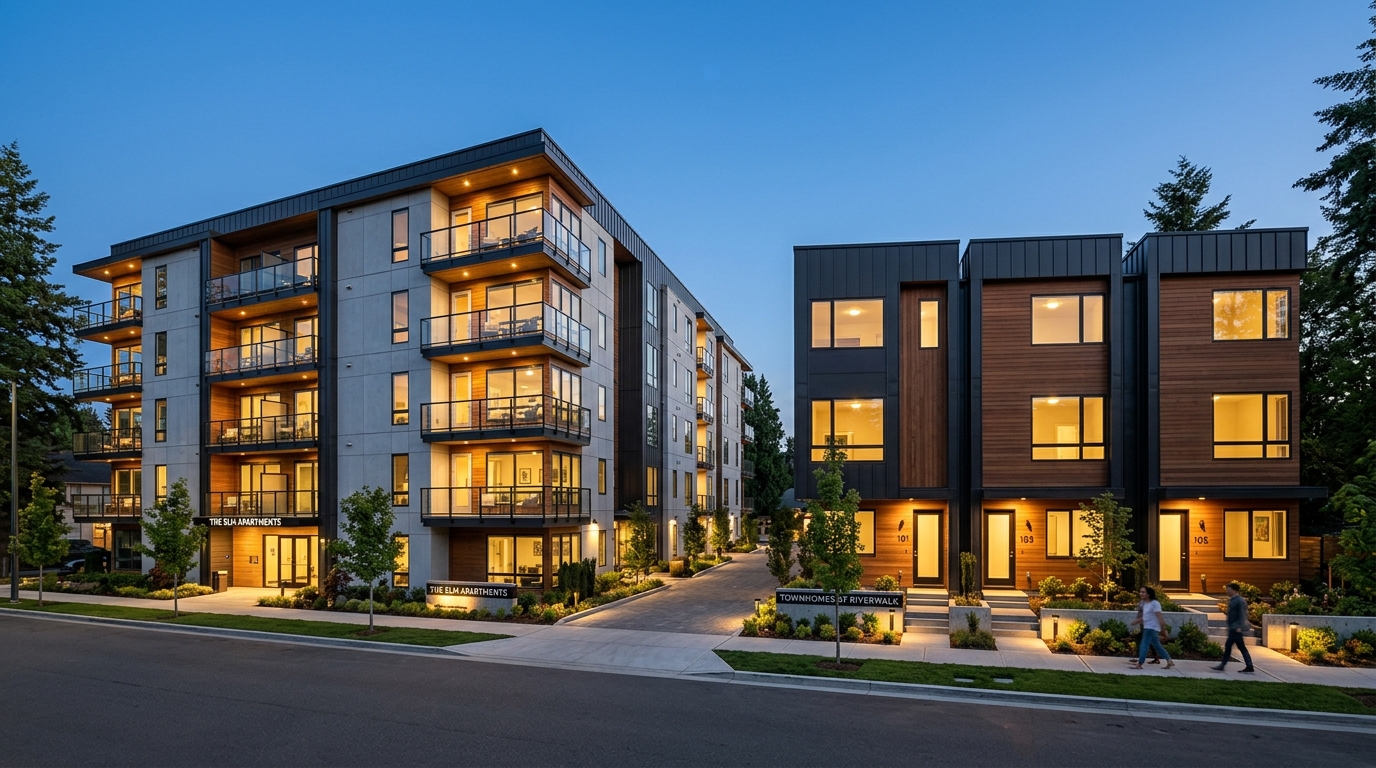
Our strategy spans small multifamily and single-family cluster developments. Each serves a distinct role in the portfolio — here is how we think about the mix.