
Multifamily or Single-Family Clusters? Why We Build Both
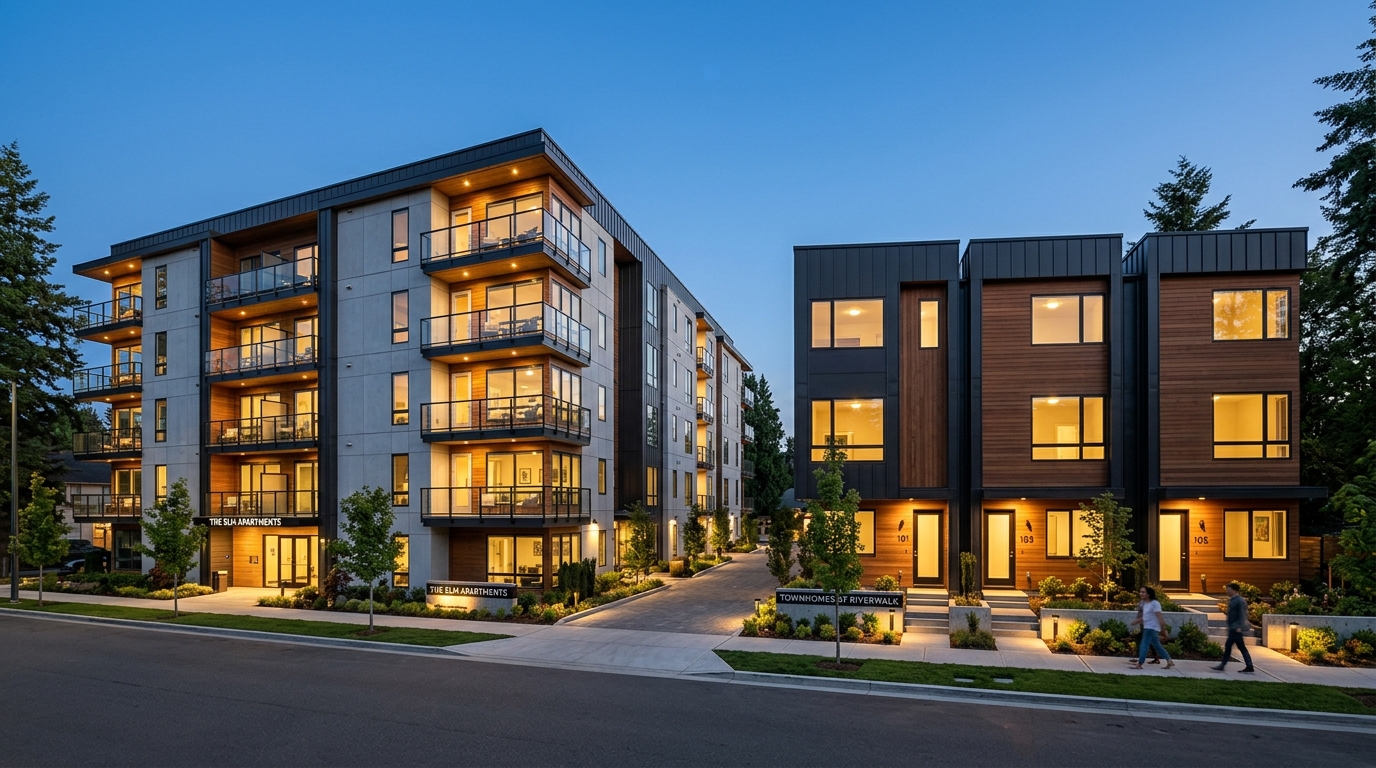
Not all ground-up housing is the same. We focus on two complementary product types: multifamily buildings of roughly 2 to 100 units, and single-family cluster developments of about 4 to 50 homes. Building both lets us match product to site, demand, and market conditions rather than forcing a single template everywhere.
Multifamily: density and operating scale
Smaller multifamily projects concentrate units on a single site, which can improve construction efficiency and create operating scale once stabilized. They tend to appeal to renters seeking location and amenities, and they can perform well in infill areas where land supports density. The tradeoff is more complex construction and lease-up dynamics.
Single-family clusters: flexibility and broad demand
Single-family cluster developments spread homes across a parcel and tap into deep, durable demand from households that want a home with a yard but face a shortage of new options. They can be delivered in phases, which helps manage risk, and they often appeal to both renters and buyers — giving multiple potential exit paths.
Matching product to the market
Houston’s affordability and land availability can favor cluster formats in many submarkets, while Atlanta’s stronger rent growth can support multifamily in the right locations. By keeping both tools available, we underwrite each site on its own merits instead of defaulting to one approach. Diversity of product is itself a form of risk management.
506(c) Compliance Notice: This offering is available exclusively to verified accredited investors as defined by Rule 501 of Regulation D. All investors must complete third-party accreditation verification prior to accessing offering documents or making any investment.
Interested in Partnering With Us?
Our offering is open to verified accredited investors. Start a confidential conversation or download our full market report.
More Insights

Why Houston and Atlanta Anchor Our 2025-2026 Development Thesis
Two of the fastest-growing metros in the country continue to add residents faster than builders can deliver homes. Here is how we read the setup heading into the next cycle.
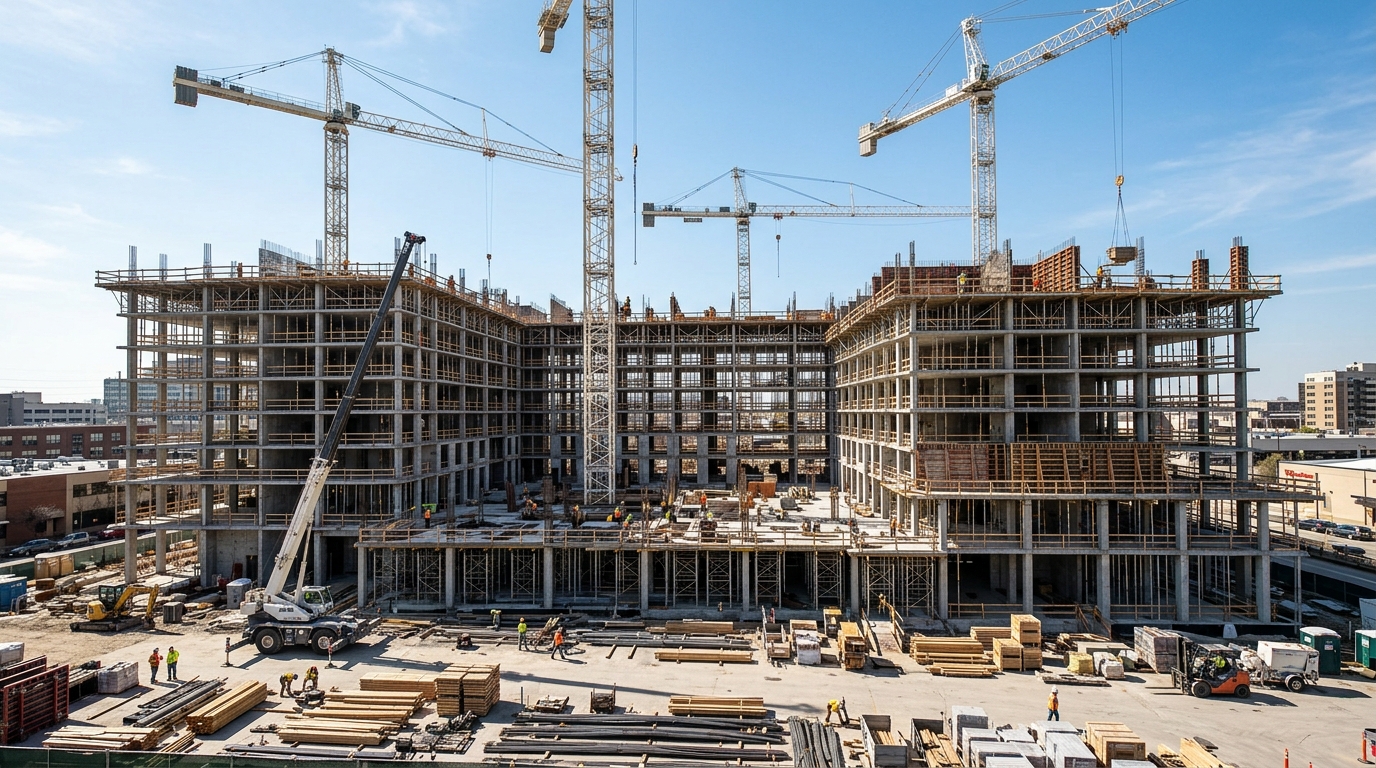
The Development Spread: Where Ground-Up Returns Actually Come From
Buying finished buildings and building them from the ground up are fundamentally different return profiles. We break down the development spread and why it matters.
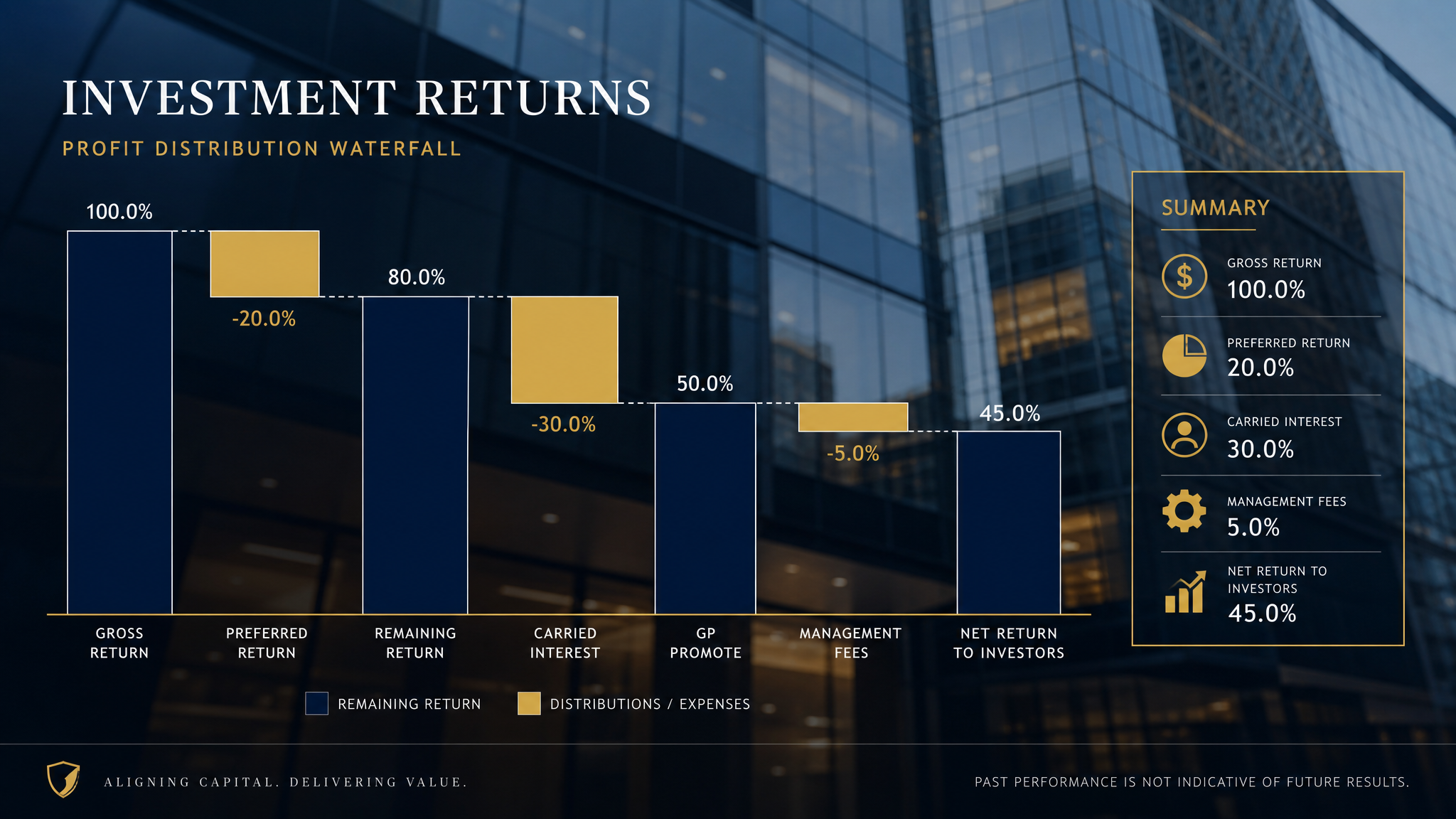
How the Waterfall Works: Preferred Returns and the 60/40 Split
Distribution waterfalls can feel opaque. Here is a plain-language walk through preferred returns, profit splits, and how limited partners get paid first.