Why Houston and Atlanta Anchor Our 2025-2026 Development Thesis

The case for building ground-up housing in the Sunbelt starts with a simple observation: people keep moving there. Houston’s metro population has climbed to roughly 7.9 million, adding about 126,720 residents year-over-year, a 1.6% gain. Atlanta sits near 6.48 million and continues to draw households from higher-cost regions. Population growth of this magnitude does not reverse quickly — it reflects jobs, affordability, and business relocation trends that have been building for a decade.
Demand is durable, supply is thinning
What makes the current moment interesting is the supply side. After a wave of deliveries, new construction pipelines in both markets have begun to thin. In Houston, 2025 groundbreakings fell by roughly 22% as higher financing costs pushed some builders to the sidelines. Atlanta delivered more than 22,000 multifamily units in 2025, but 2026 forecasts point to closer to 8,400 — a dramatic step down in new supply.
When durable demand meets a shrinking pipeline, the projects that break ground now are positioned to deliver into a tighter market. That is the essence of our thesis: begin construction during the slowdown so that completed homes arrive when competing supply is scarce.
Two markets, two profiles
Houston offers higher current cap rates — generally in the 6.0% to 7.0% range — and a more affordable entry basis, with a median list price near $362,000. Atlanta trades tighter, with cap rates around 4.5% to 5.3% and a median list near $429,000, but rewards owners with stronger recent rent growth of roughly 2.8% year-over-year. Holding both gives our strategy a balance of current yield and appreciation potential.
No forecast is guaranteed, and every market carries risk. But the combination of sustained in-migration and a contracting construction pipeline is exactly the backdrop we look for when committing capital to new development.
506(c) Compliance Notice: This offering is available exclusively to verified accredited investors as defined by Rule 501 of Regulation D. All investors must complete third-party accreditation verification prior to accessing offering documents or making any investment.
Interested in Partnering With Us?
Our offering is open to verified accredited investors. Start a confidential conversation or download our full market report.
More Insights
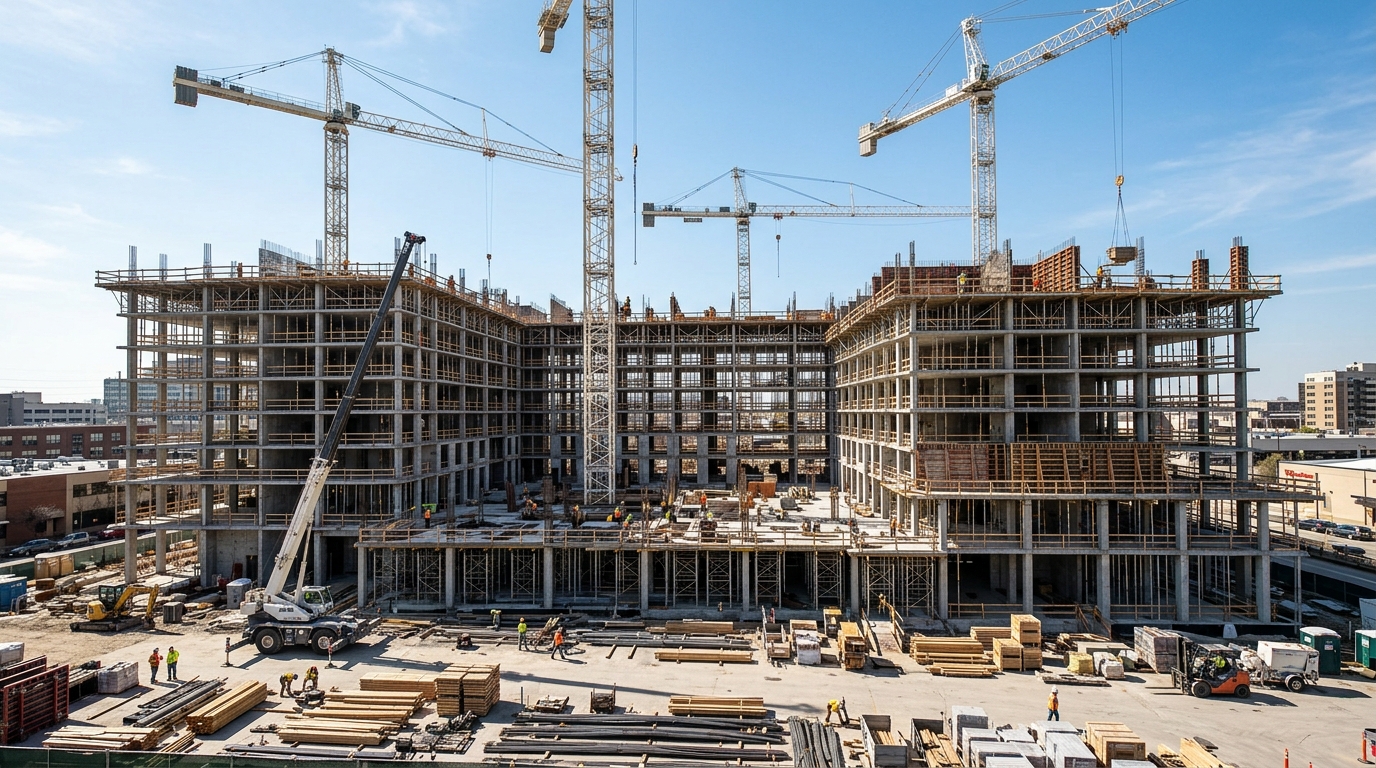
The Development Spread: Where Ground-Up Returns Actually Come From
Buying finished buildings and building them from the ground up are fundamentally different return profiles. We break down the development spread and why it matters.
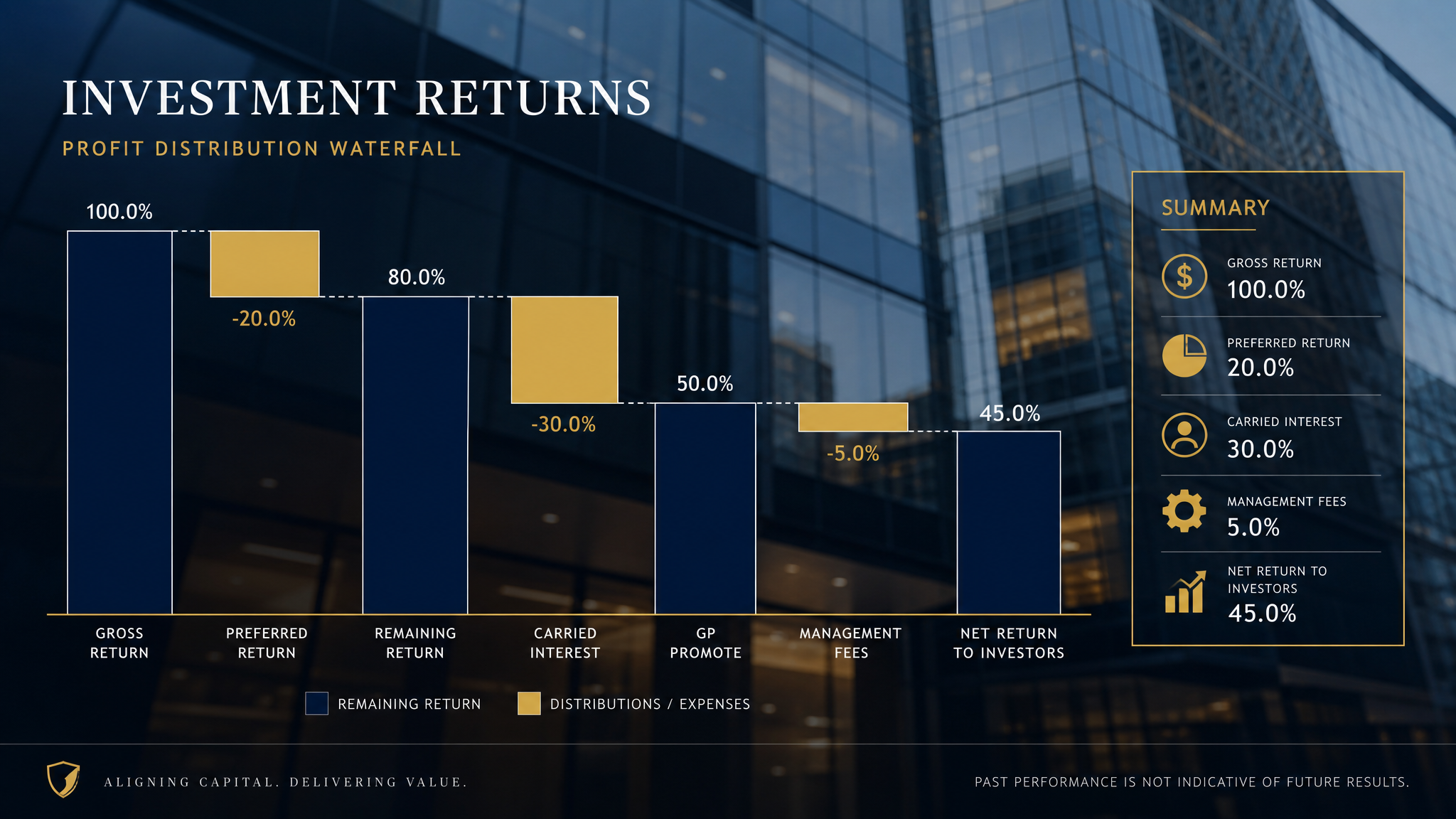
How the Waterfall Works: Preferred Returns and the 60/40 Split
Distribution waterfalls can feel opaque. Here is a plain-language walk through preferred returns, profit splits, and how limited partners get paid first.
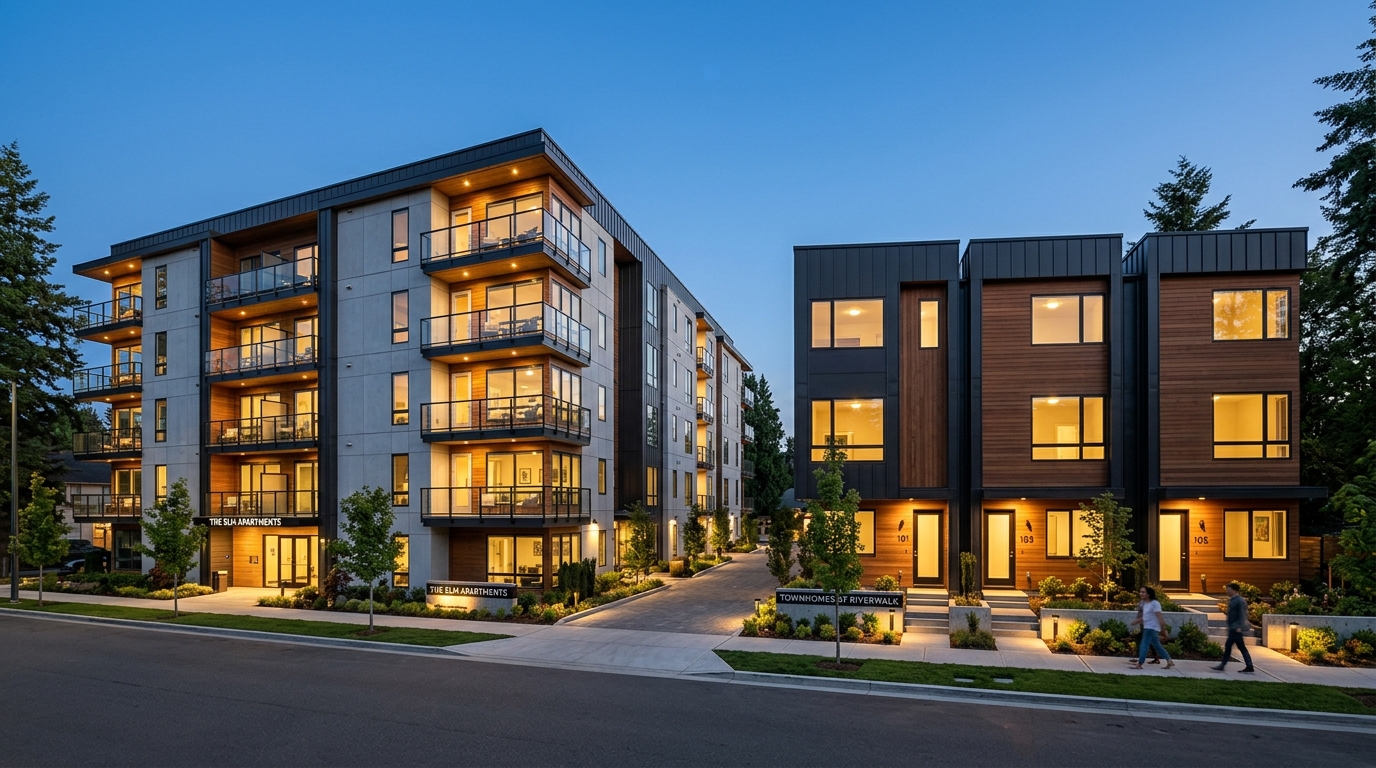
Multifamily or Single-Family Clusters? Why We Build Both
Our strategy spans small multifamily and single-family cluster developments. Each serves a distinct role in the portfolio — here is how we think about the mix.